
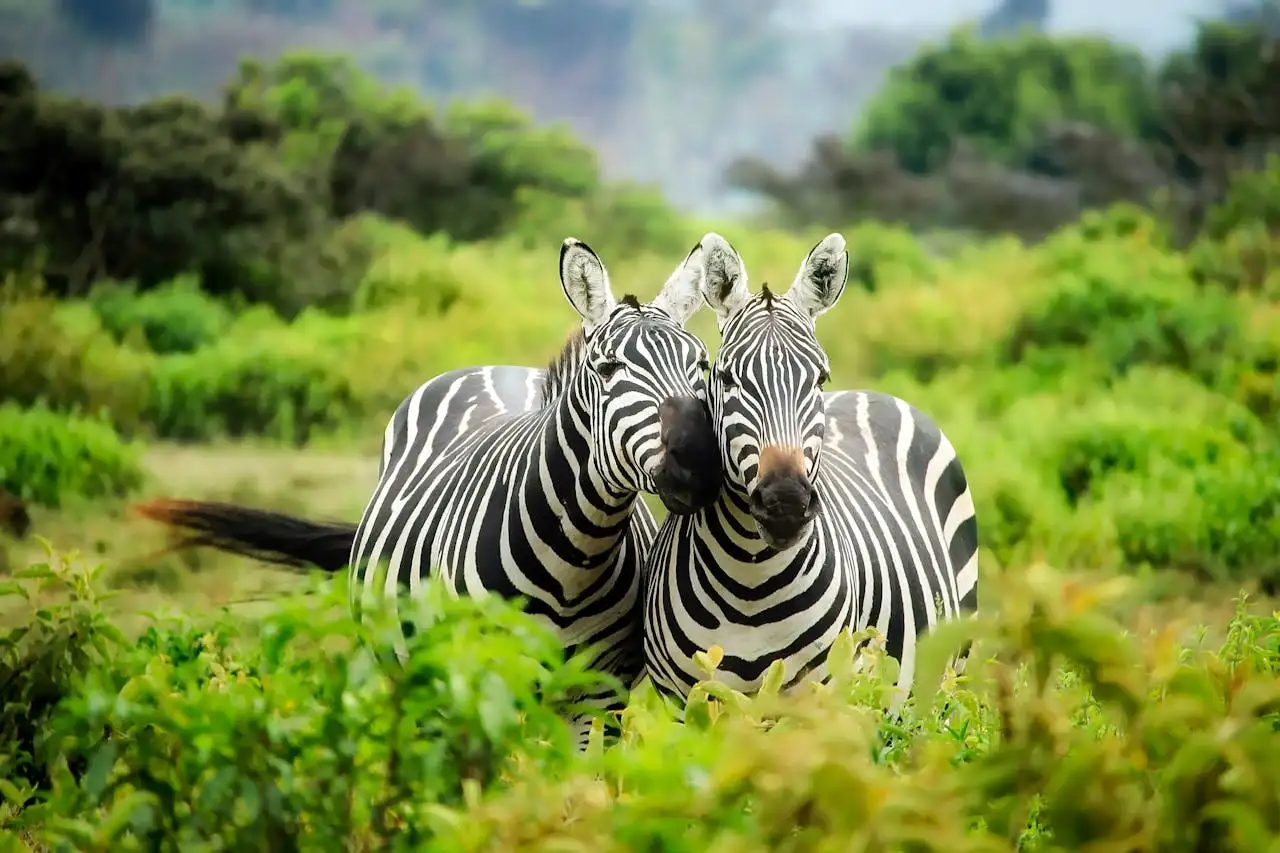
Imagine standing on the savannah, the silence broken only by the thundering hooves of two million animals. This is the essence of an African safari. The Great Migration, a circular journey of over 2 million wildebeest and zebras across the Serengeti and Masai Mara ecosystems, is one of the most thrilling wildlife events on the planet.
This ancient landscape, which makes up 14% of Tanzania’s land, has remained largely unchanged for a million years. It is a place where wildlife and the Maasai people have co-existed for centuries. Here is your guide to navigating this vast ecosystem.
Exploring the Serengeti: A Regional Breakdown Because the ecosystem is so vast, it is best explored by region:
-
Southern Serengeti: Best visited December–March. This is the “calving season,” where wildebeest give birth on the nutrient-rich plains. The area features the Gol Mountains and is one of the best spots to see cheetahs hunting in the open.
-
Central Serengeti (Seronera): This is the classic African savannah—endless grass dotted with acacia trees. While the Seronera Valley is popular, the Moru Kopjes offer a dramatic, rocky landscape perfect for spotting big cats.
-
Western Serengeti: Best visited May–July. This region is defined by the Grumeti River, famous for its massive Nile crocodiles. The landscape here is denser and greener, leading up to Lake Victoria.
-
Northern Serengeti: Best visited July–October. A diverse landscape of broad valleys and riverine forests. This is the prime location to witness the dramatic Mara River crossings. Birdwatchers will love the Lobo Hills, home to over 500 species, from black eagles to ostriches.
The Masai Mara: Kenya’s Jewel
-
The National Reserve: From July to September, the migration floods into Kenya. The confluence of the Mara and Talek rivers is the hotspot for river crossings and high concentrations of predators.
-
The Conservancies: For a more exclusive experience, visit private conservancies like Mara Naboisho or Mara North. These partnerships between Maasai communities and safari operators limit the number of vehicles, offering a private feel. They also allow activities not permitted in the main reserve, such as night drives and walking safaris.
The Migration Calendar: When to Go
-
Dec–March: Southern Serengeti (Calving Season).
-
May–June: Central & Western Serengeti (The rut/mating season begins; herds move west).
-
July–August: Northern Serengeti & Masai Mara (River crossings).
-
Sept–October: Herds graze in the Mara before turning south.
-
November: Herds move through the Central plains, returning south.
Travel Tip: For a truly magical perspective, book a hot air balloon safari over the Mara or Serengeti to watch the sunrise over the waking herds.